HISTORY
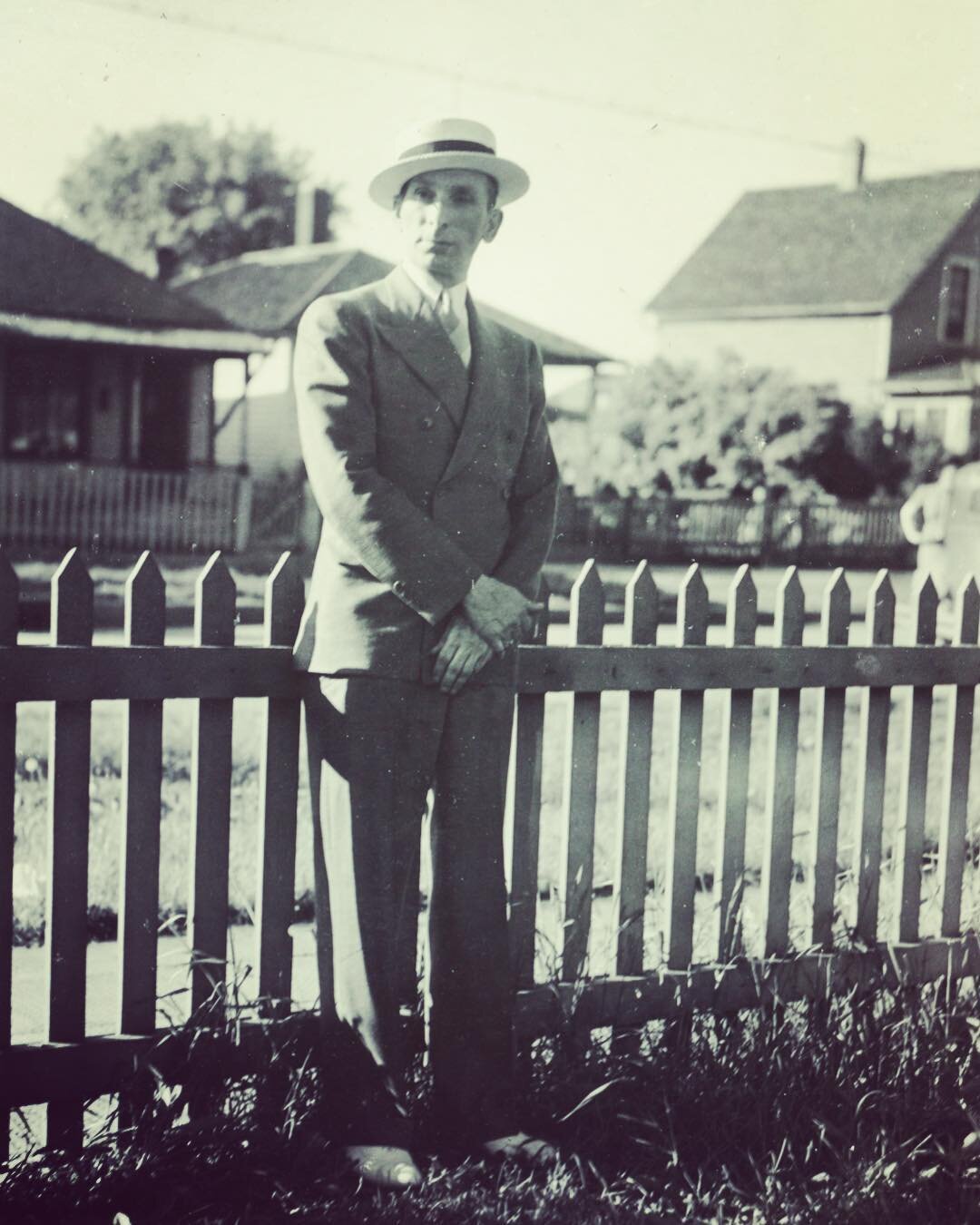
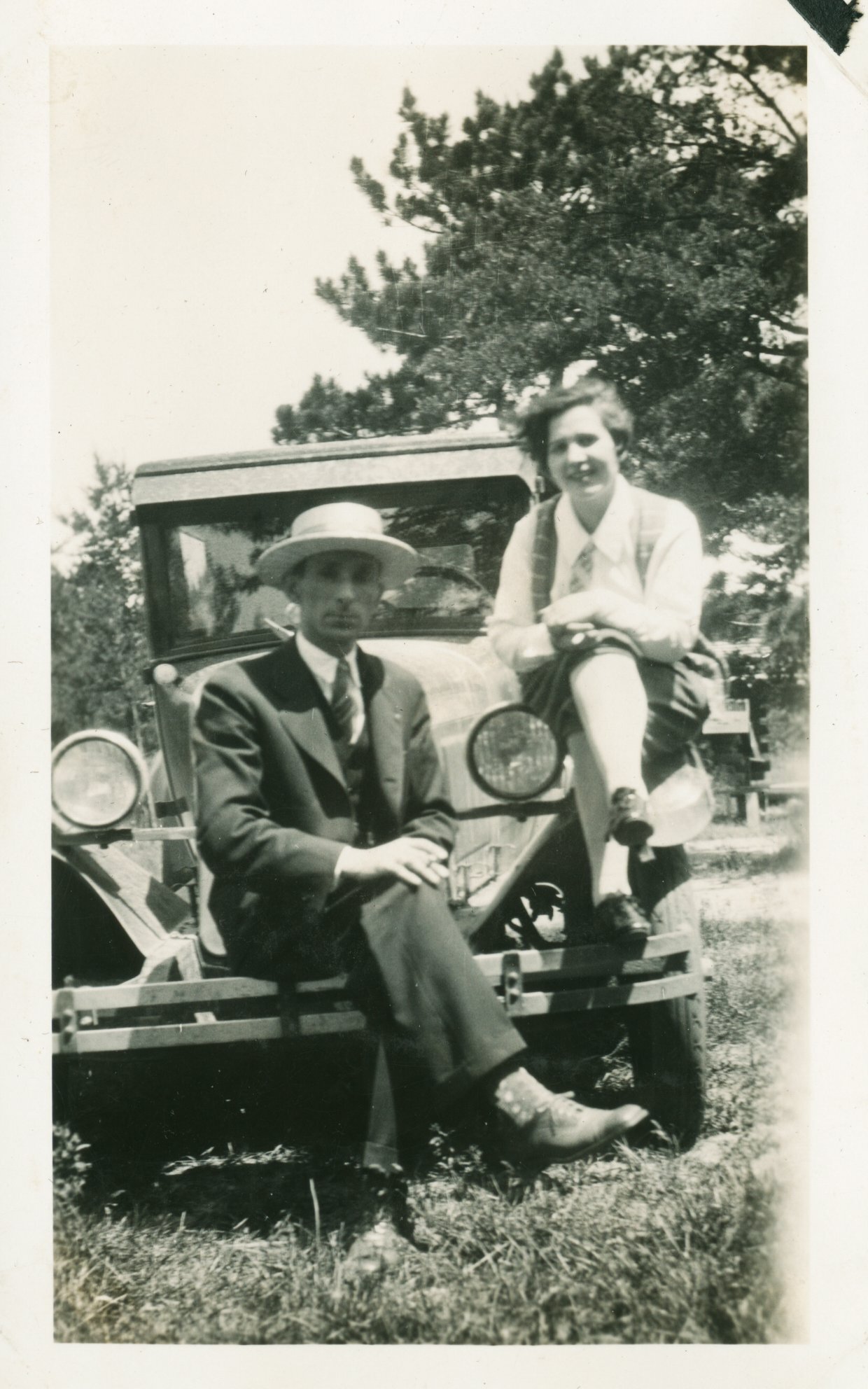
In the midst of World War I, a Polish shoemaker immigrated to North America through Ellis Island. With little more than the clothes on his back and some spare change in his pocket—just enough to buy a pie, which he did—he began his journey west. That journey eventually led him to Grafton, North Dakota, where he learned English from a young farm girl.
Through the immigration process, Abe Pearlstien became Abe Patterson, a name thought to be more “American” at the time. Abe earned his U.S. citizenship by serving in the United States Army during the Great War as a mule driver in the 116th Trench Mortar Battery. While in service, a fellow soldier suggested Bemidji, Minnesota as a good place to settle. Abe took that advice—and made Bemidji his home.
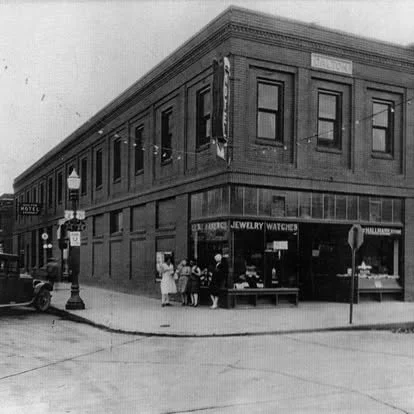
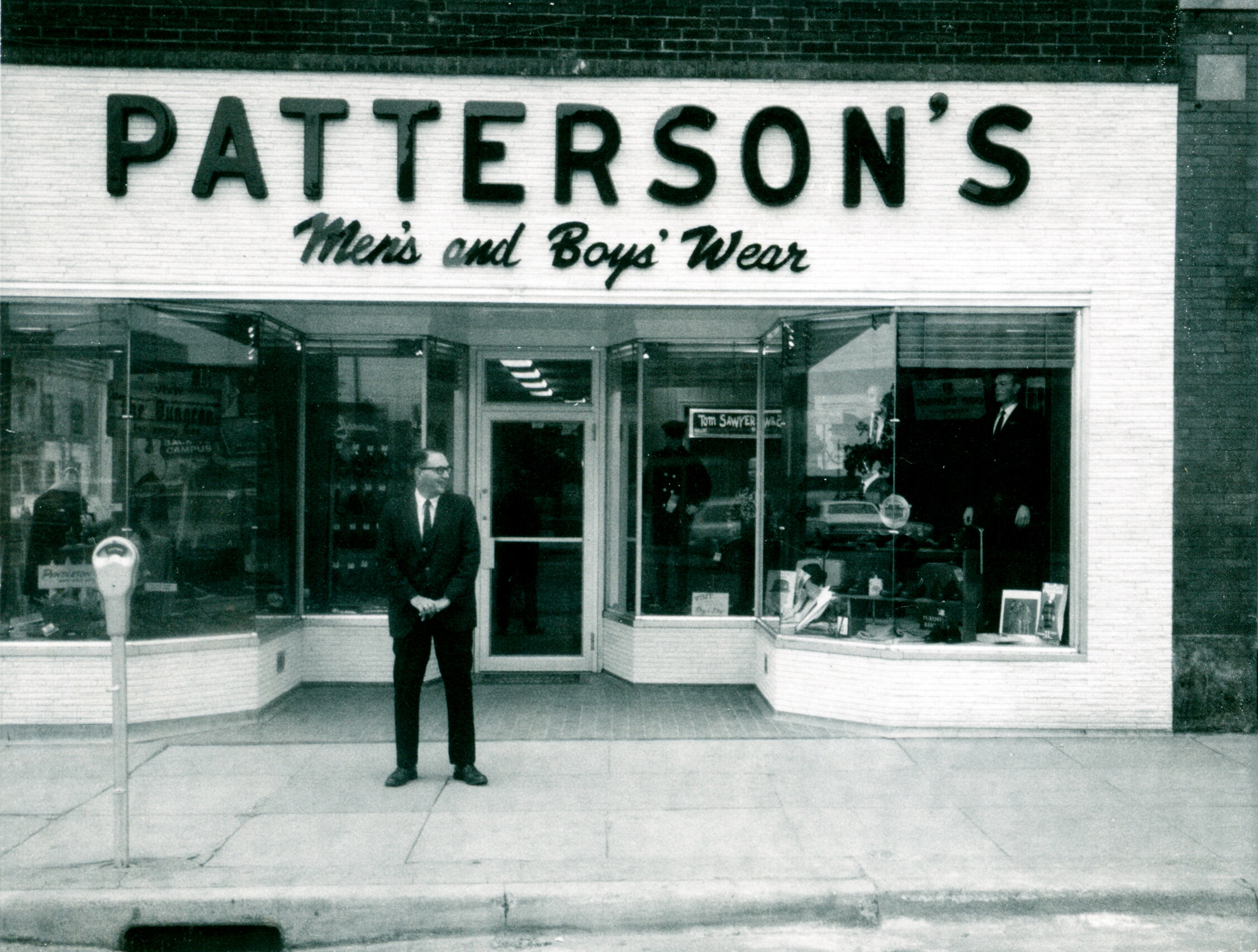
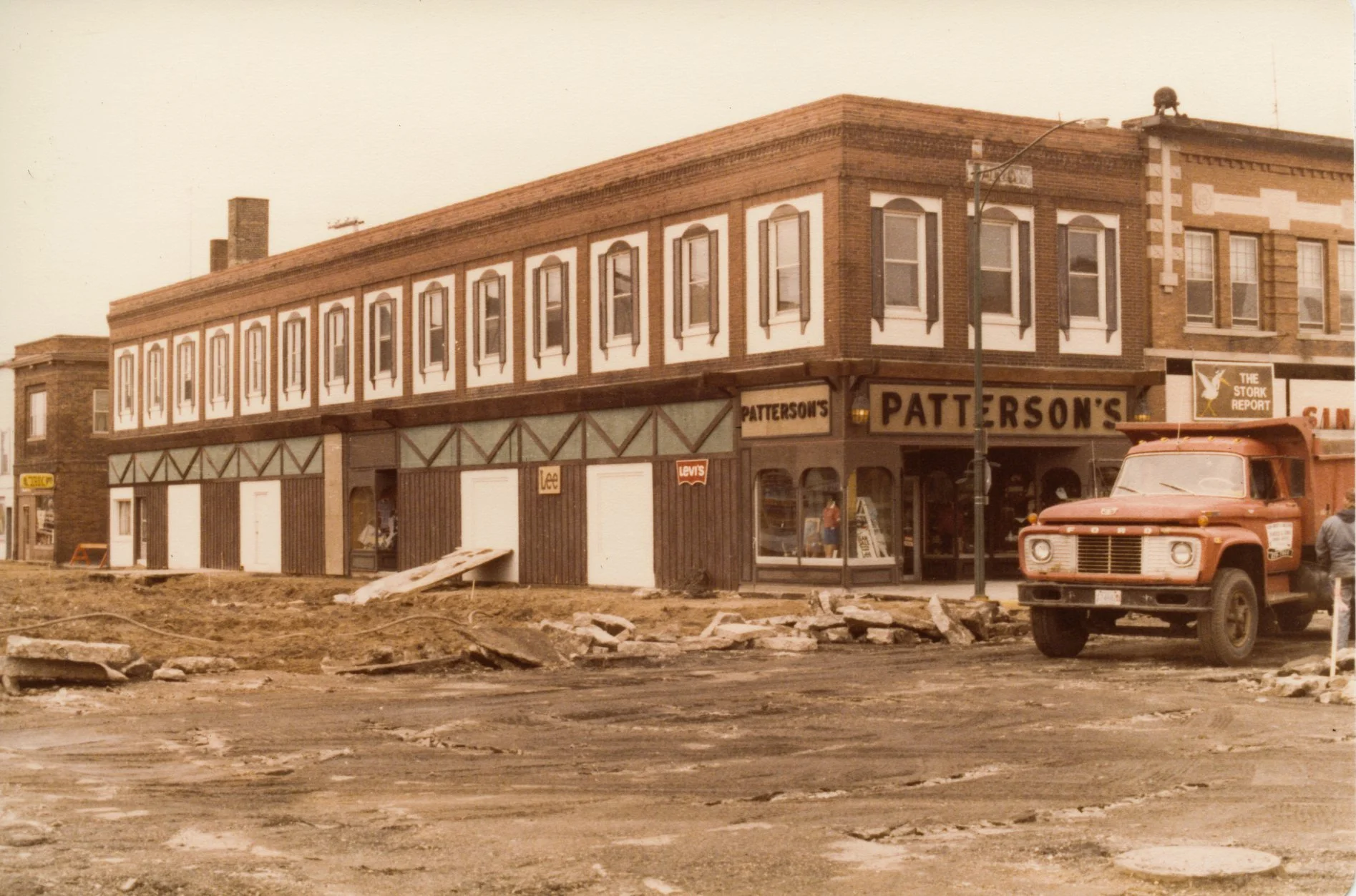
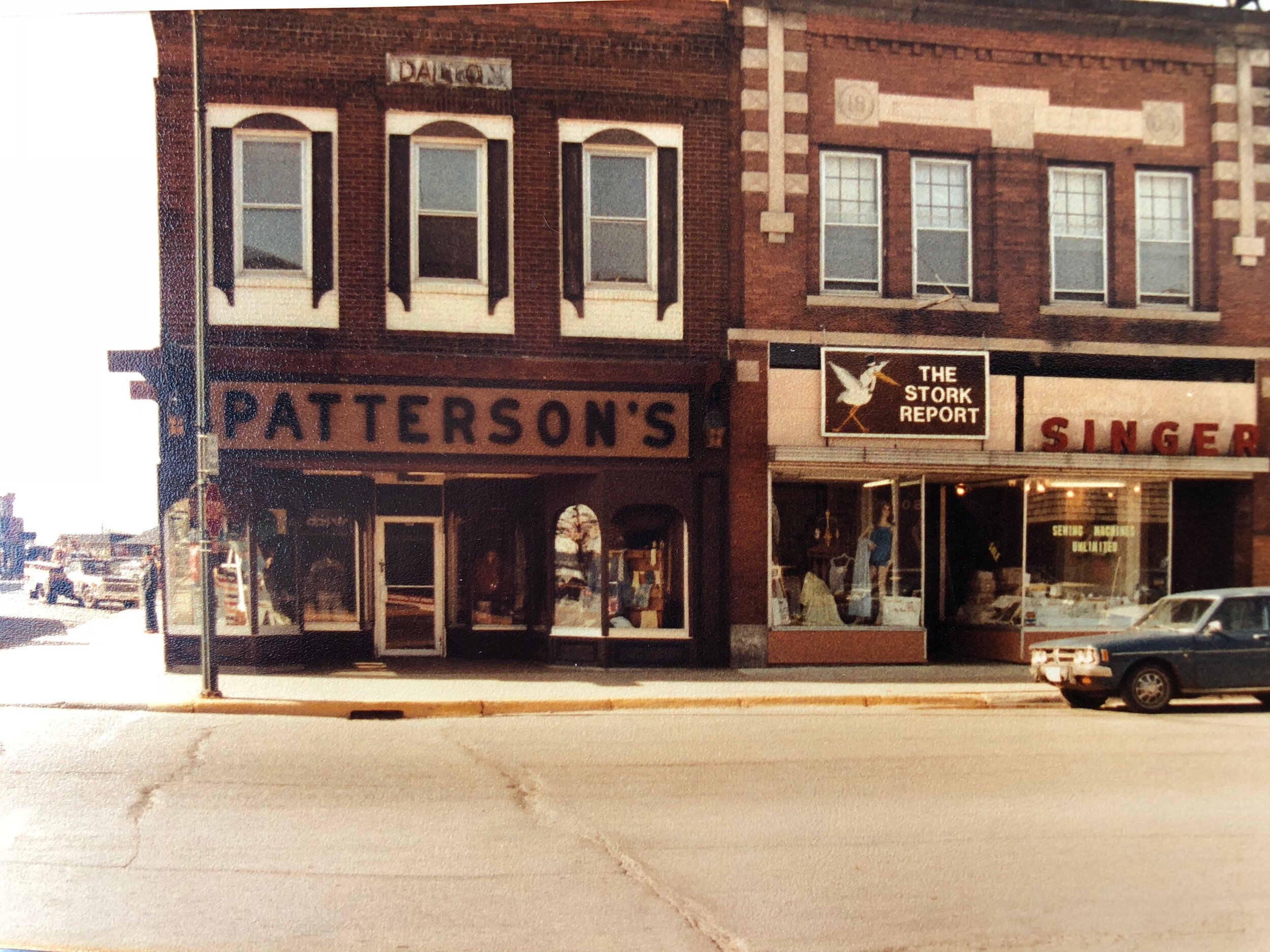
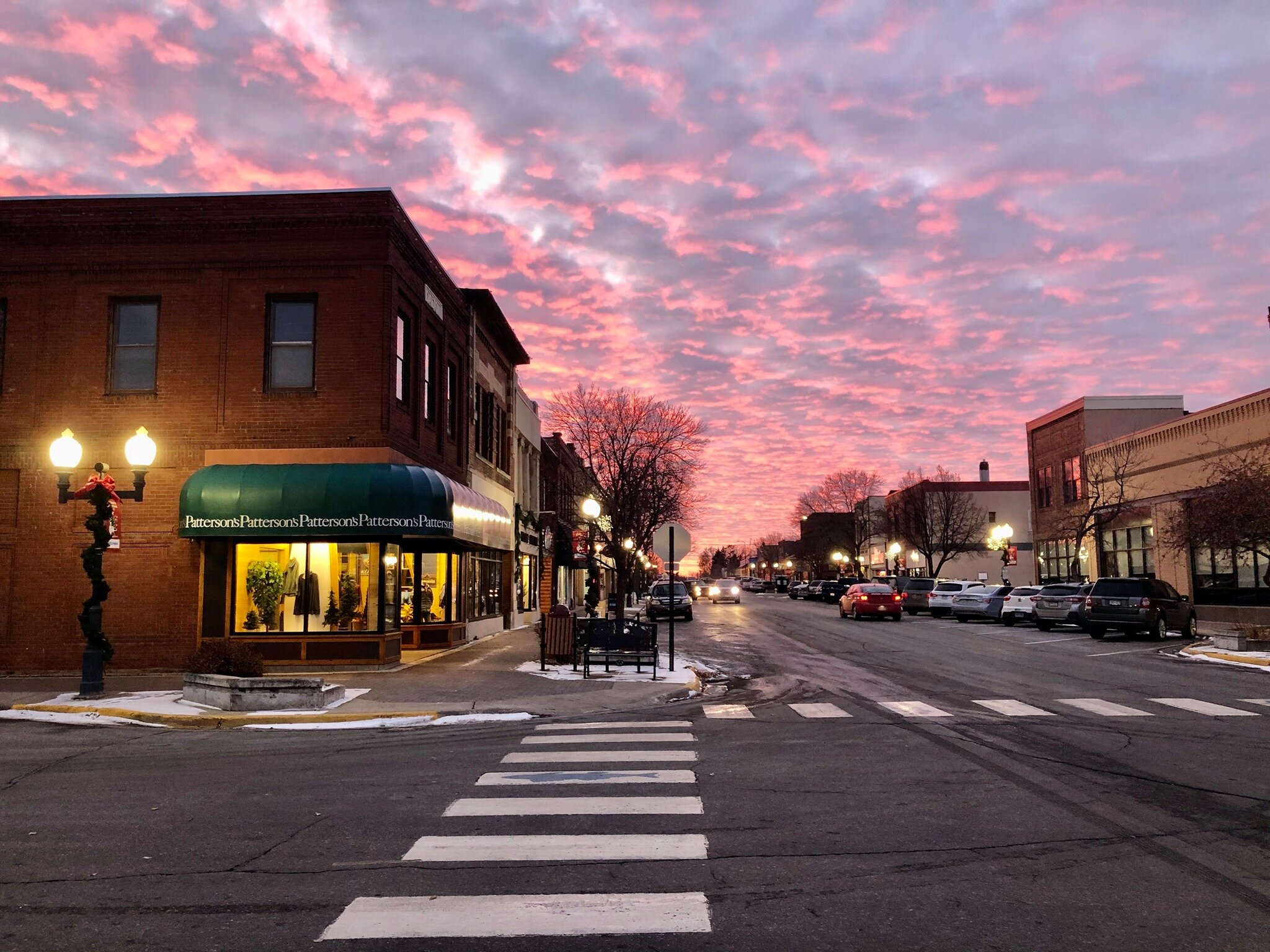
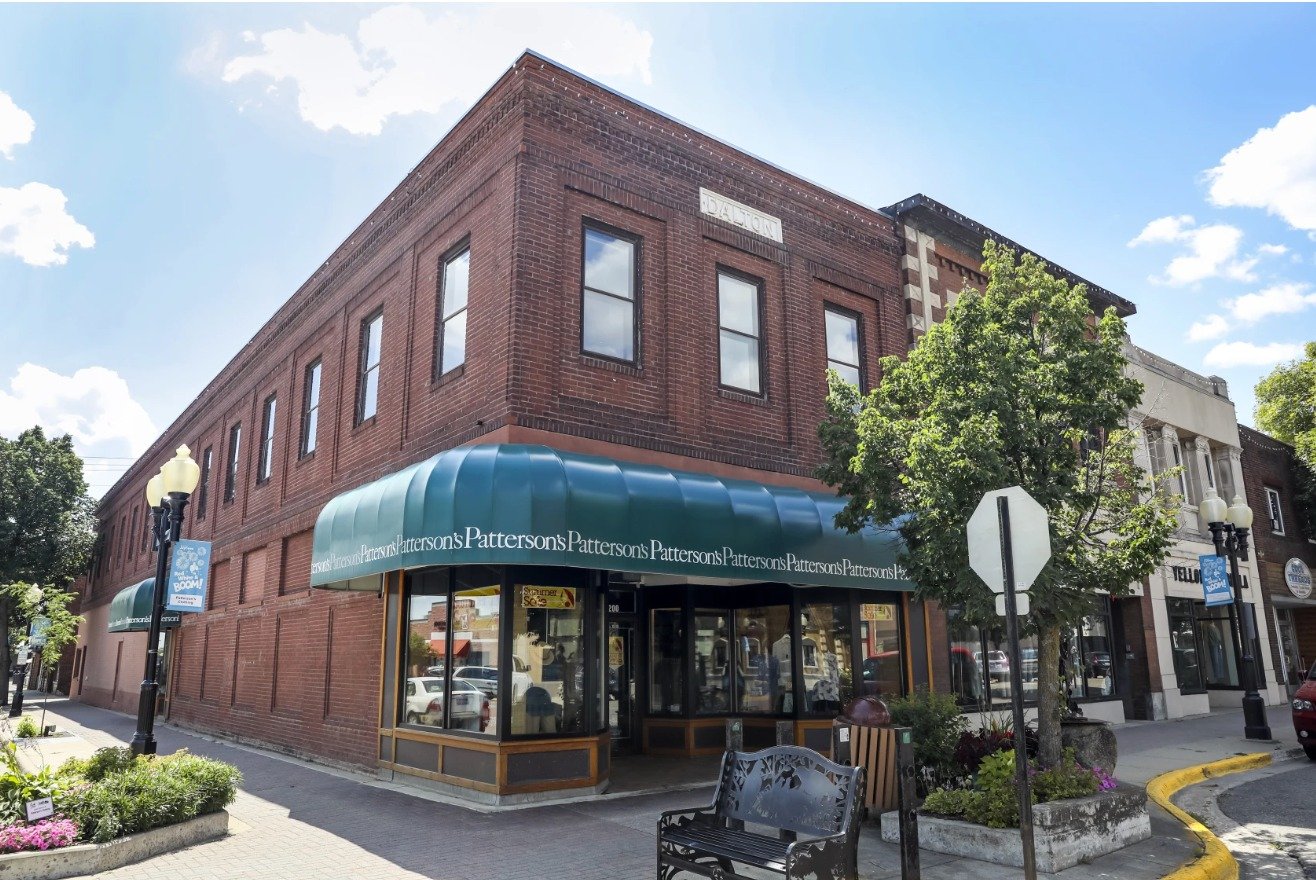
Abe began his career in Bemidji as a shoemaker between 3rd and 2nd Street before helping to open several stores, including The Hub and The Toggery. In 1929, he purchased the Dalton Building on the corner of 3rd Street and Beltrami Avenue, and Patterson’s Clothing was born.
Deeply involved in the community, Abe became active in the American Legion and helped found Bemidji’s Post 14. Veterans returning from World War I were eager to support Abe and became loyal customers. Lumberjacks—known for spending Saturday nights shopping and celebrating—were also good for business. Abe famously kept the store open all night on the Fourth of July to sell suits to partying lumbermen.
At the time, the Gill Brothers dominated the men’s clothing business in Bemidji and were Abe’s primary competitors. The store began to grow significantly when Abe started winning major clothing lines away from them, including Botany 500. Selling for $65, Botany 500 suits were a must-have for lumberjacks and men in service alike. Though not formally educated, Abe was a naturally aggressive businessman with a sharp eye for quality.
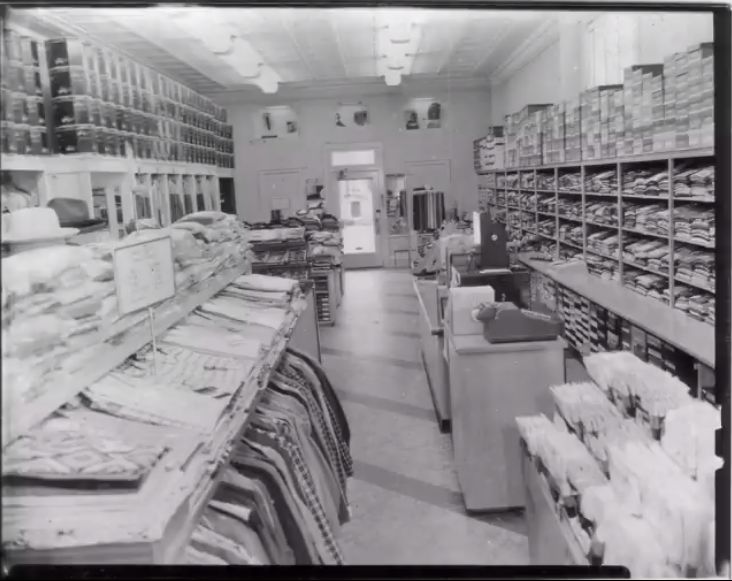
The early years were not without hardship. During the Great Depression, days would pass without a single customer. To save electricity, Abe would sit outside in his car until someone came in. Inside the store, he placed empty boxes on shelves to give the appearance of full inventory when he could not afford to restock. During World War II, merchandise became scarce, so Abe quietly stockpiled white Arrow shirts to ensure returning servicemen could buy a new suit.
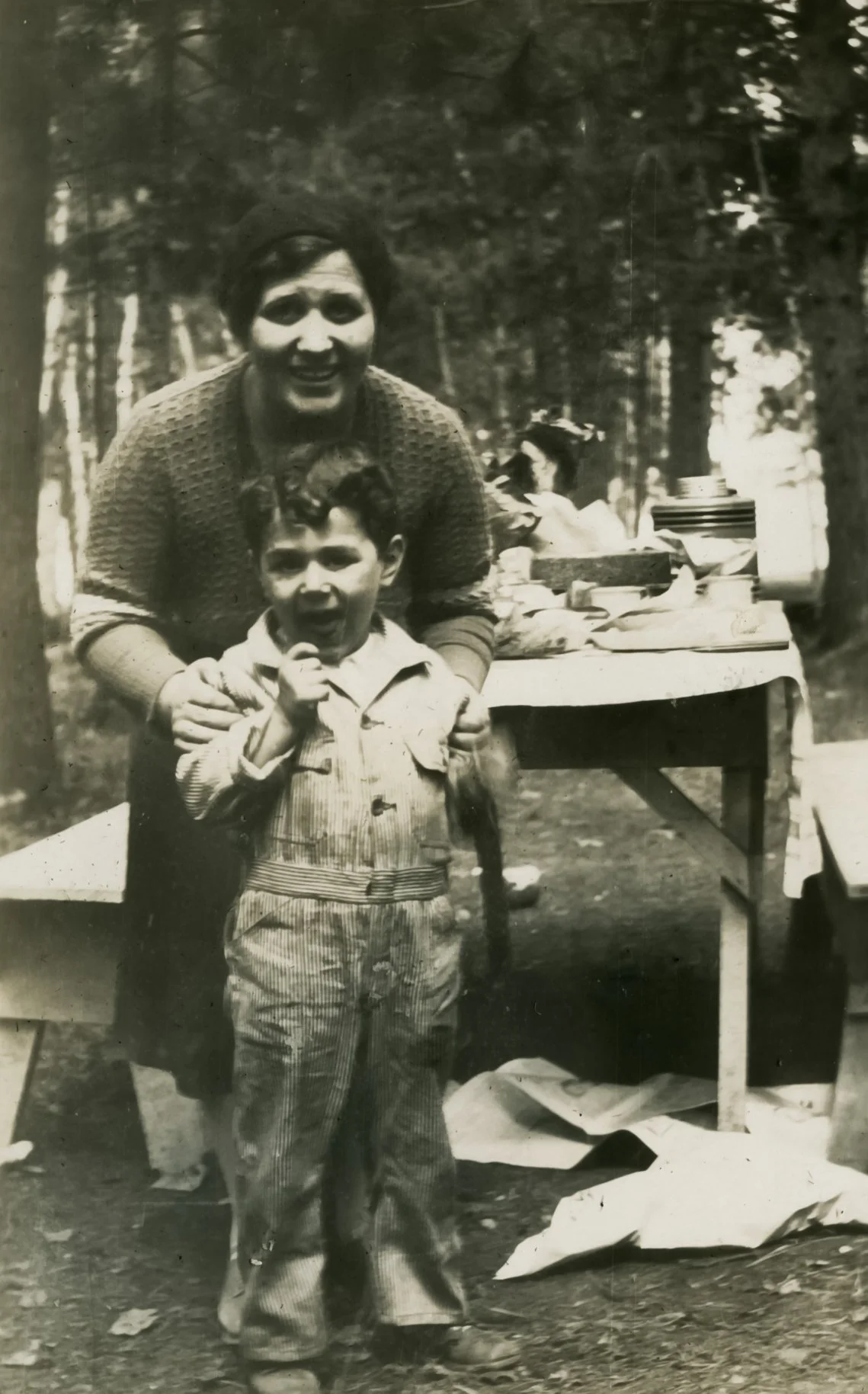
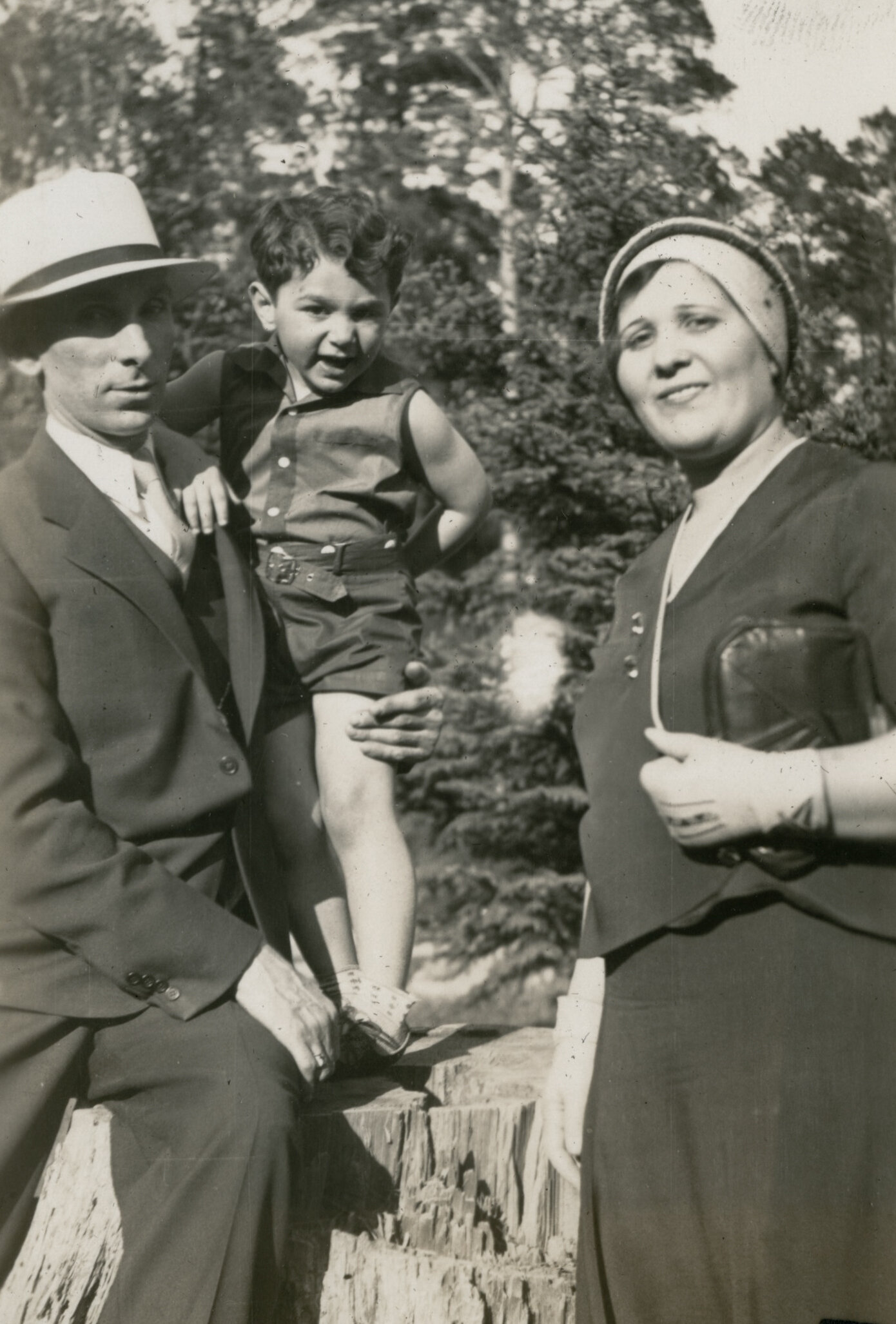
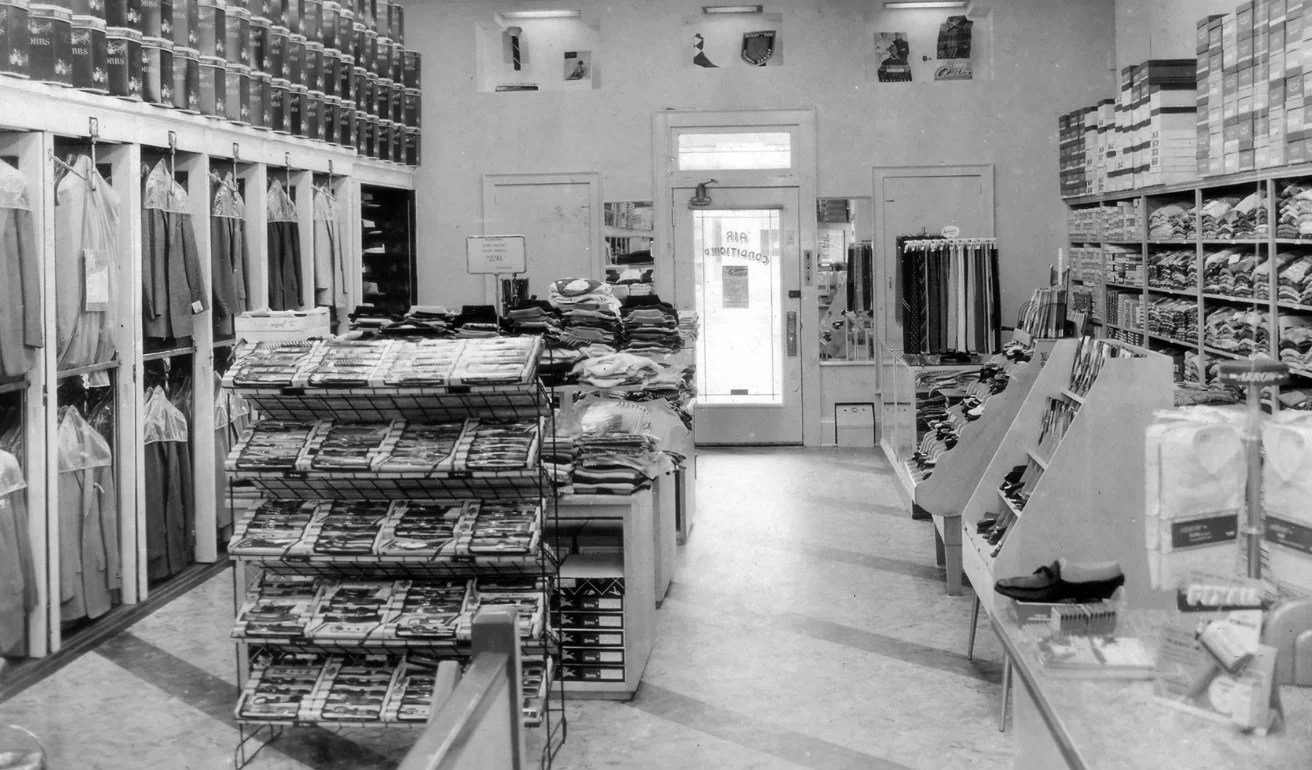
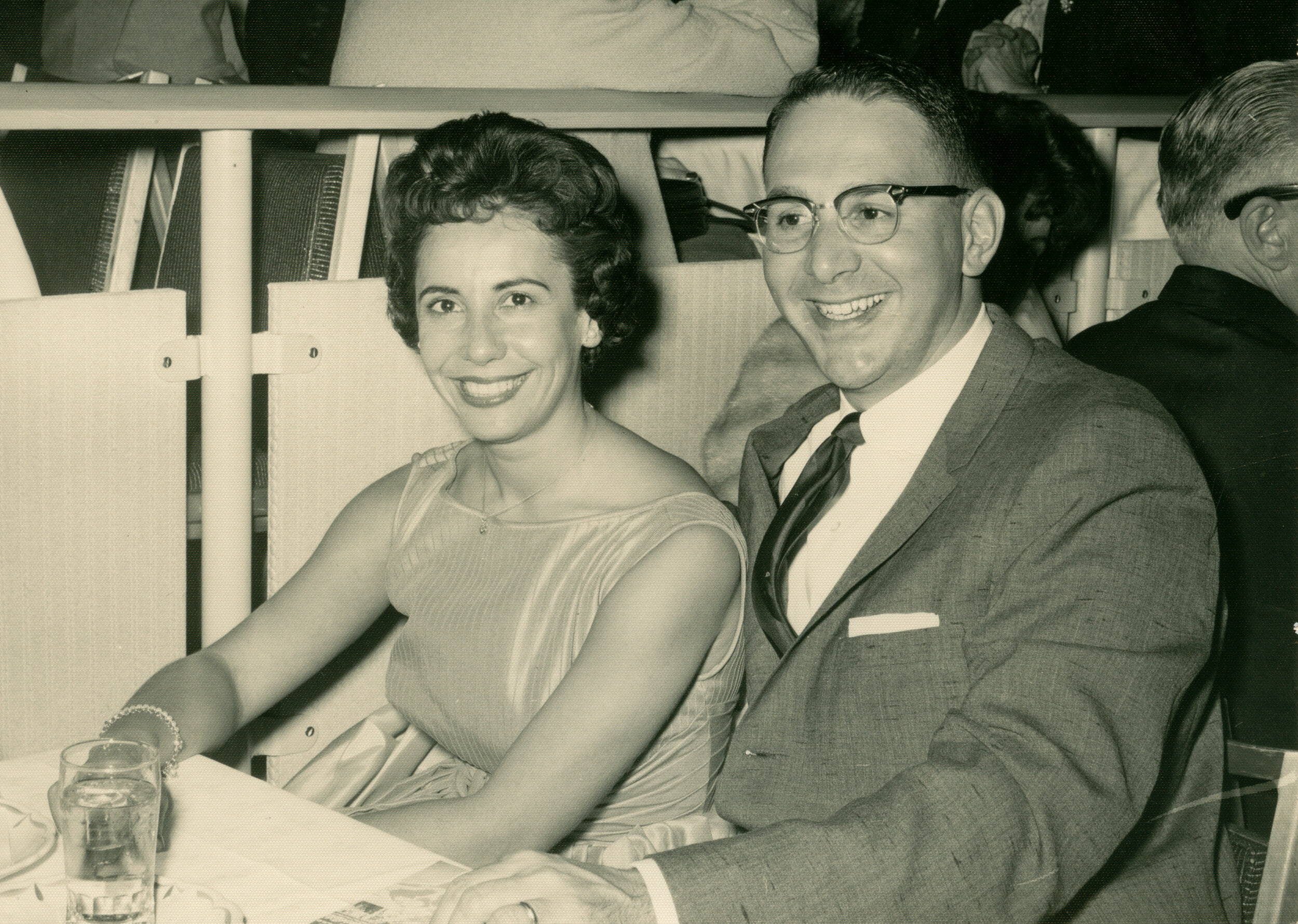
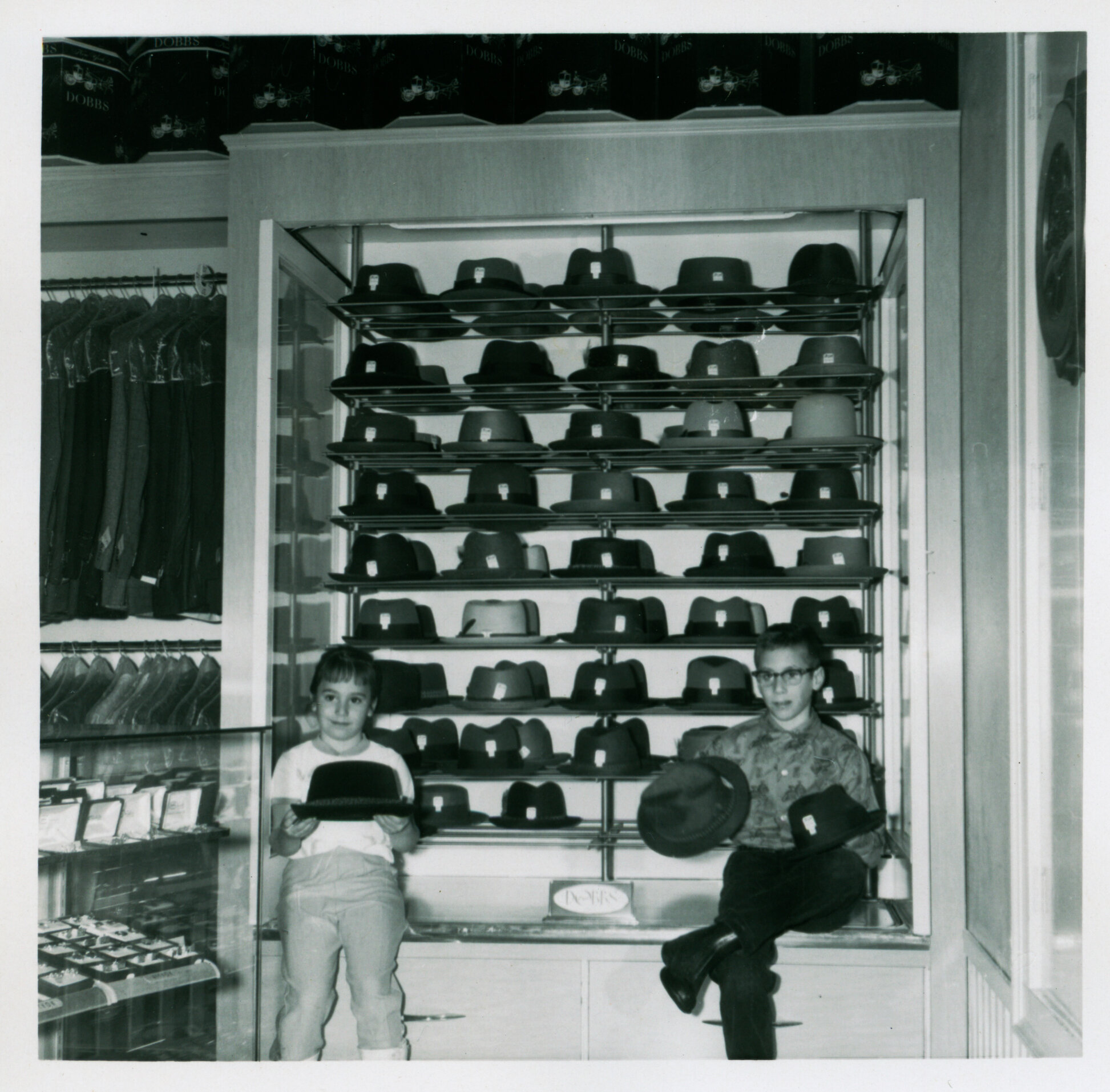
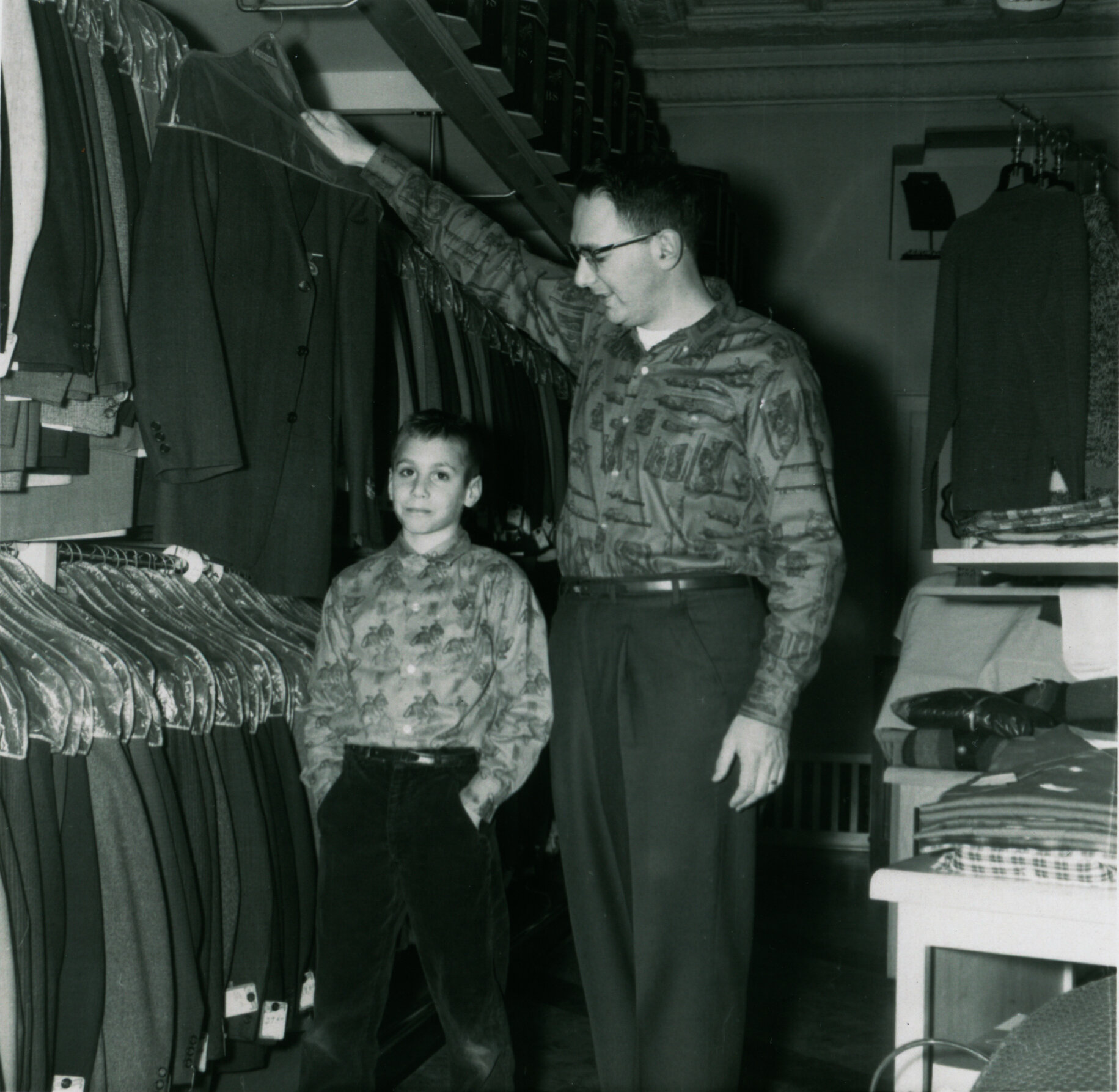
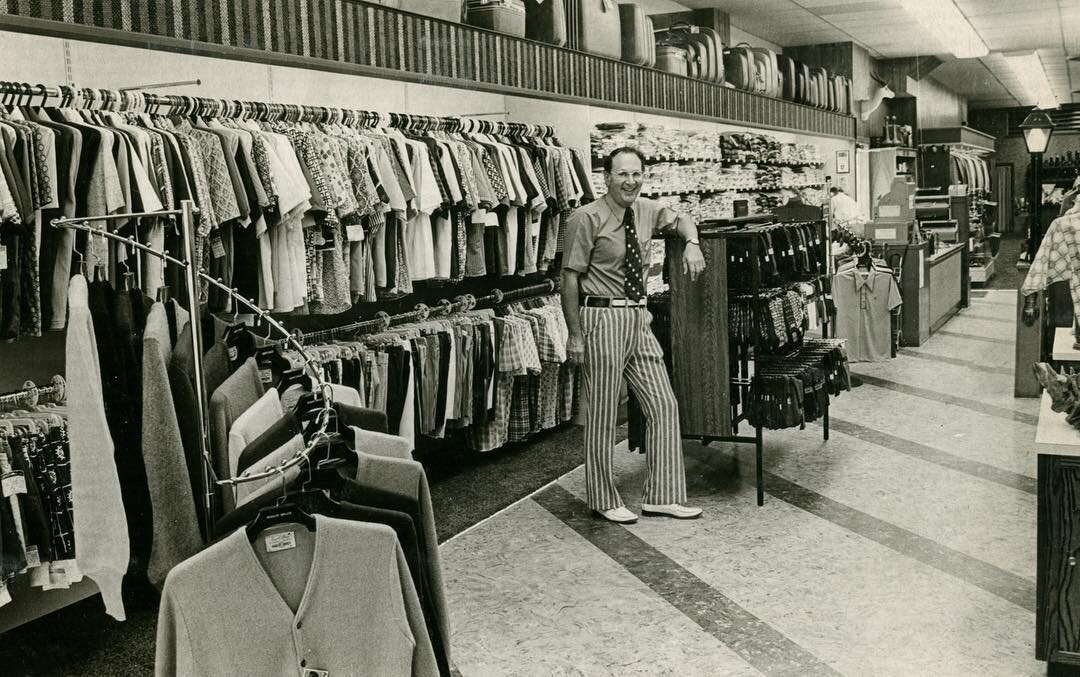
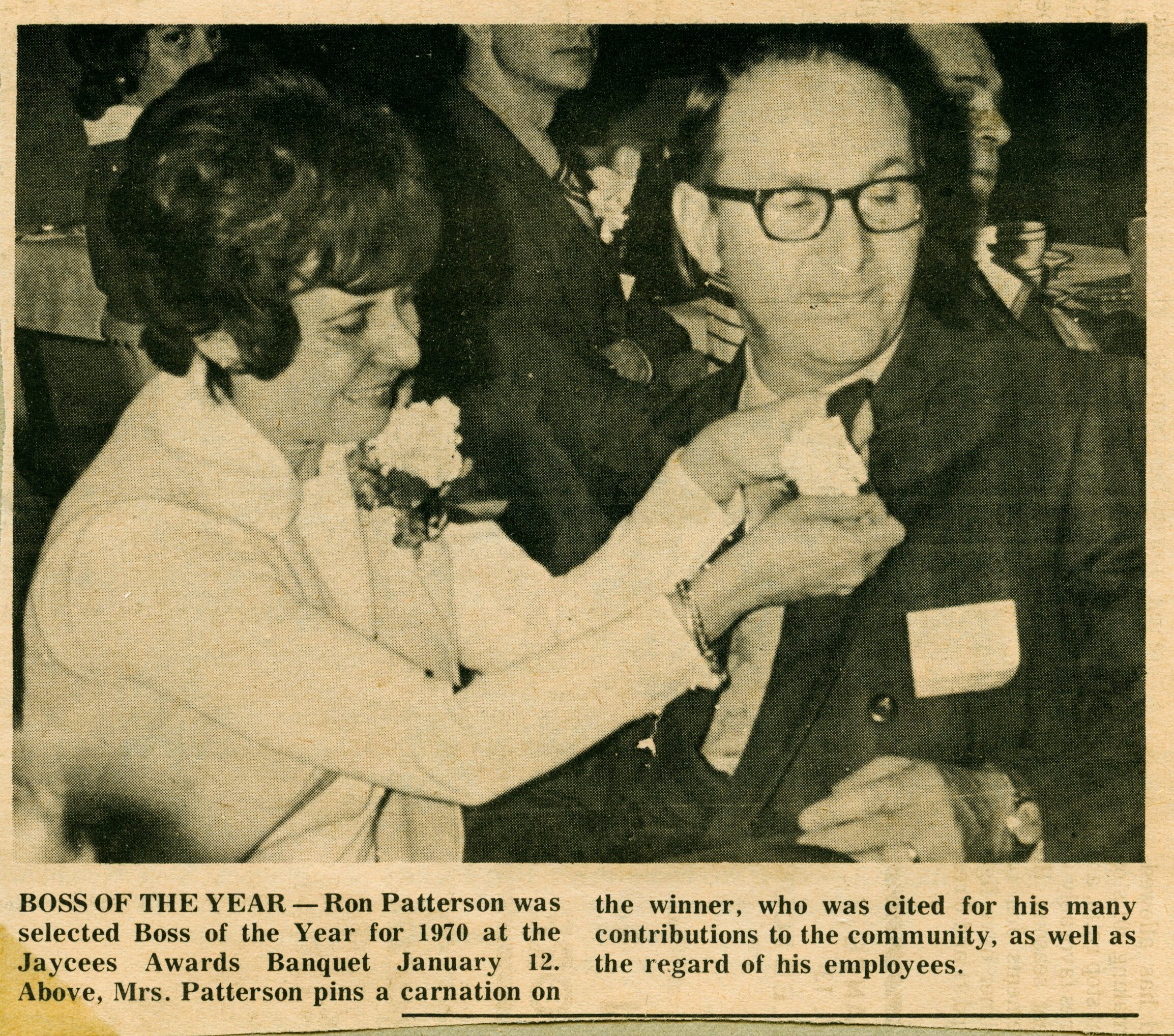
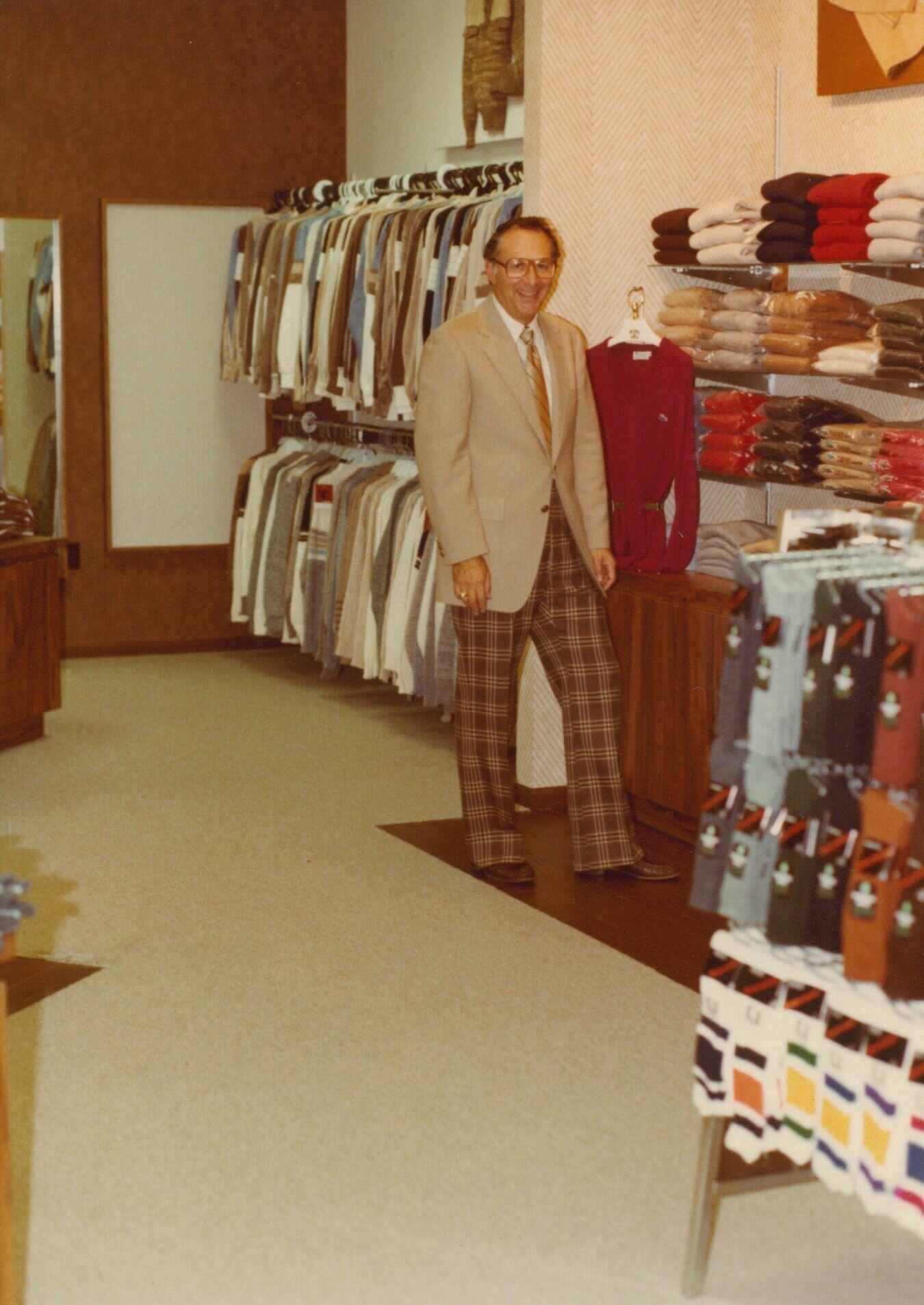
In the early 1950s, Abe and his wife Annette began transitioning toward retirement, spending much of their time in Palm Springs, California. Their only child, Ron, attended the University of Minnesota, where he met his wife, Ralyhe. After serving in the Korean War, Ron took over Patterson’s in 1952. He and Ralyhe were highly motivated, frequently traveling to Minneapolis markets and fully remodeling the store in the 1960s—a look that has remained largely unchanged ever since.
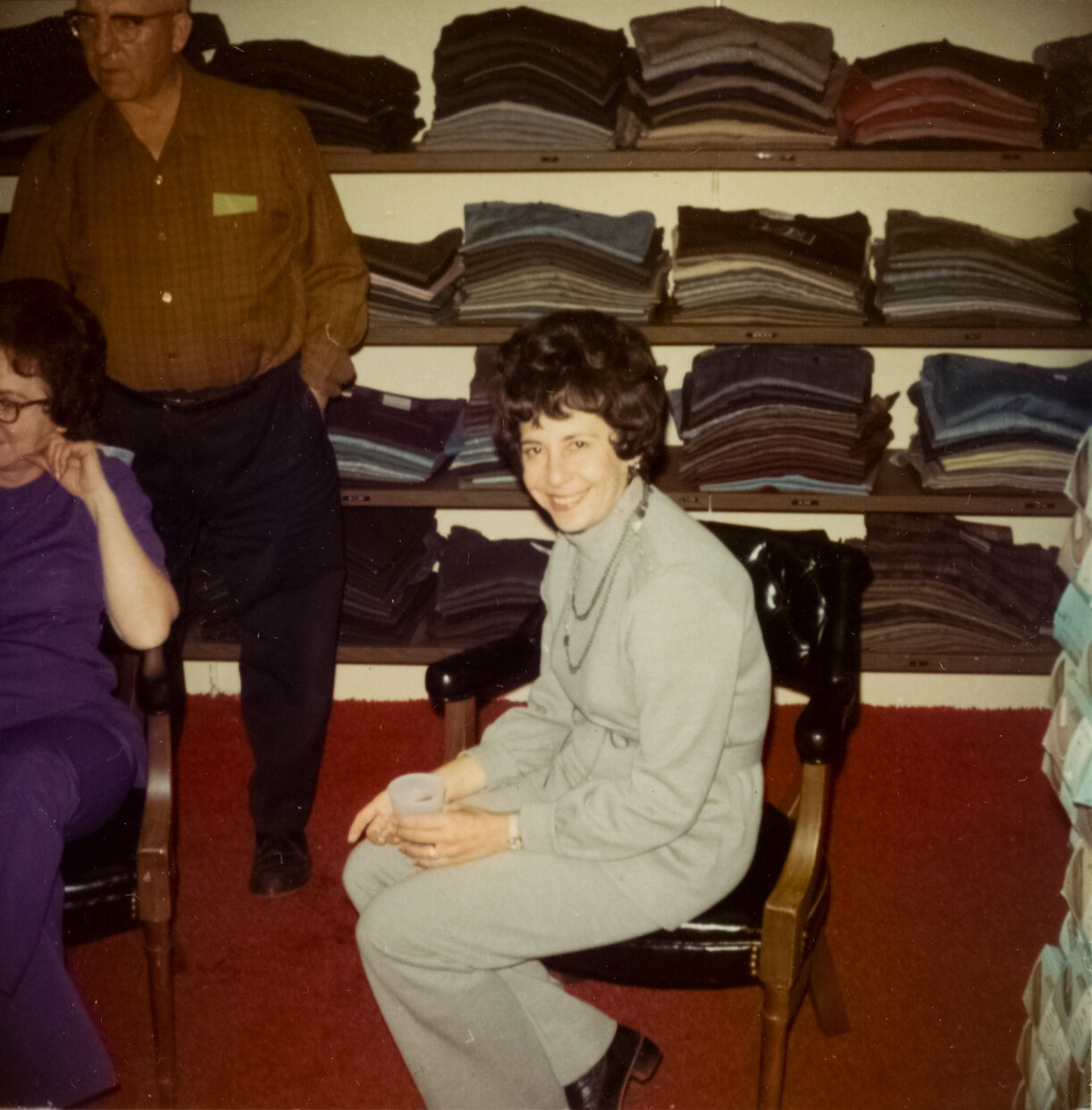
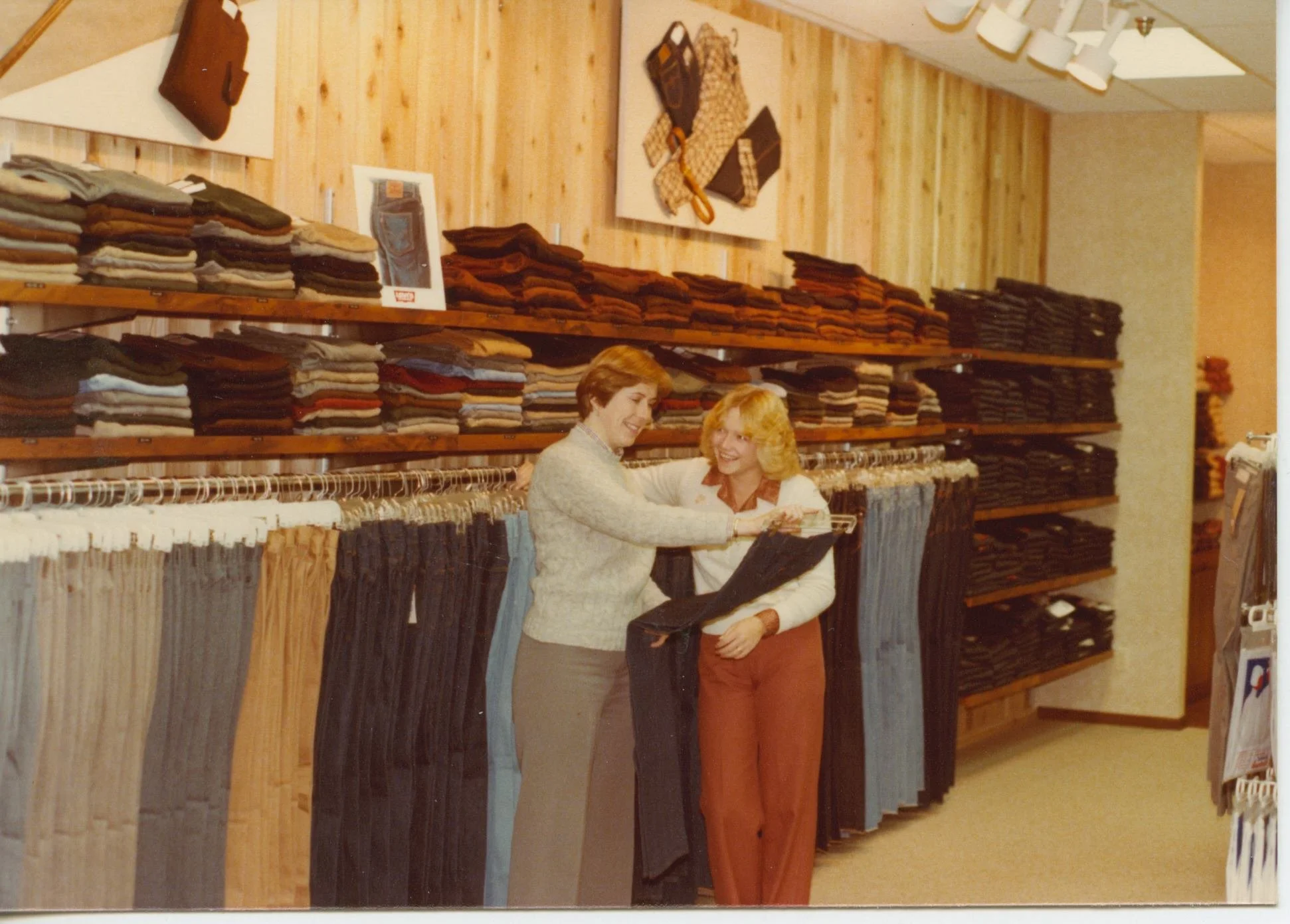
One of Ron and Ralyhe’s most notable changes came in the 1960s with the introduction of young men’s fashion. They transformed the basement into “The Dungeon,” which quickly became a destination for Levi jeans and colored corduroys. For the first time, Patterson’s also began attracting female shoppers.
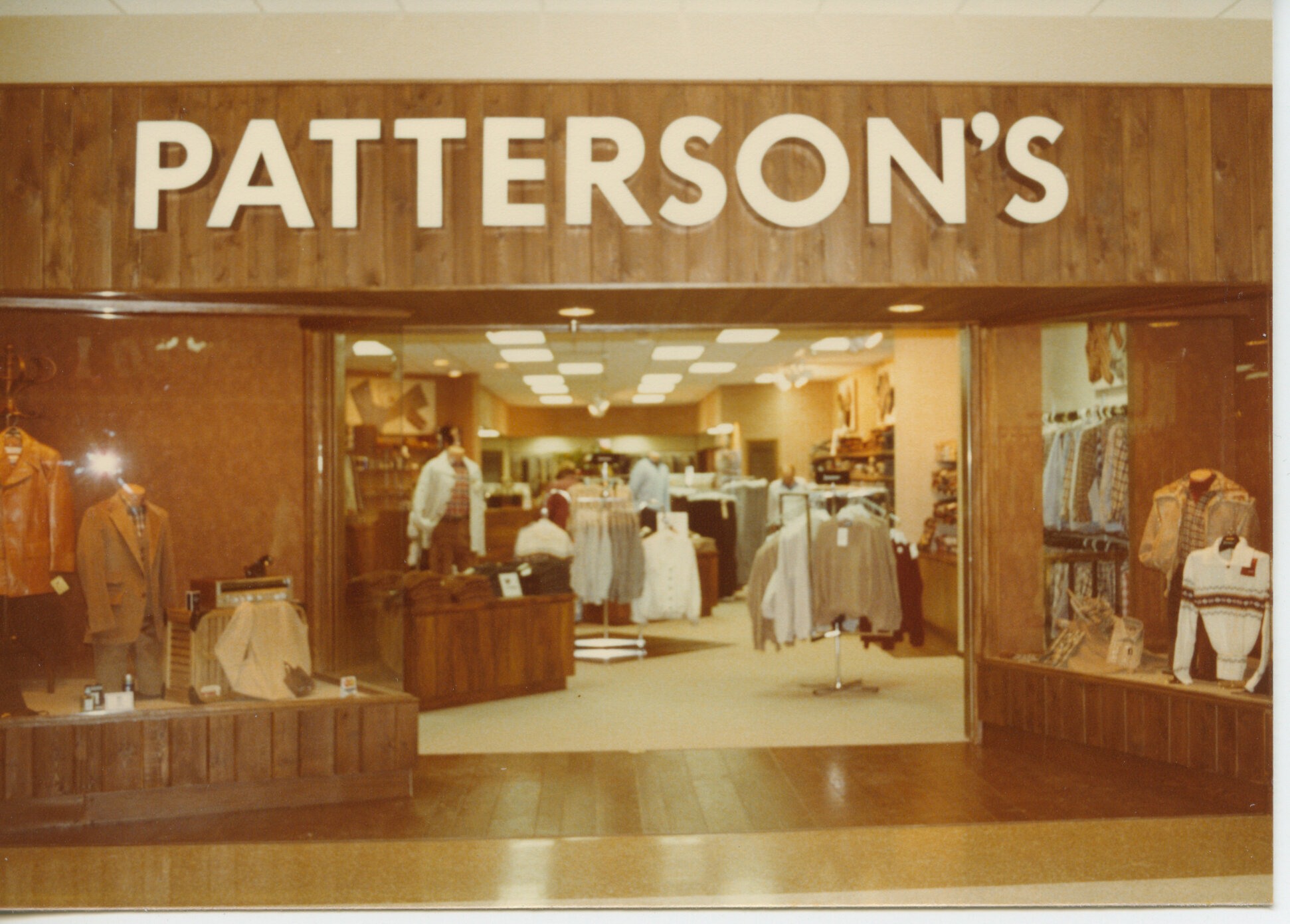
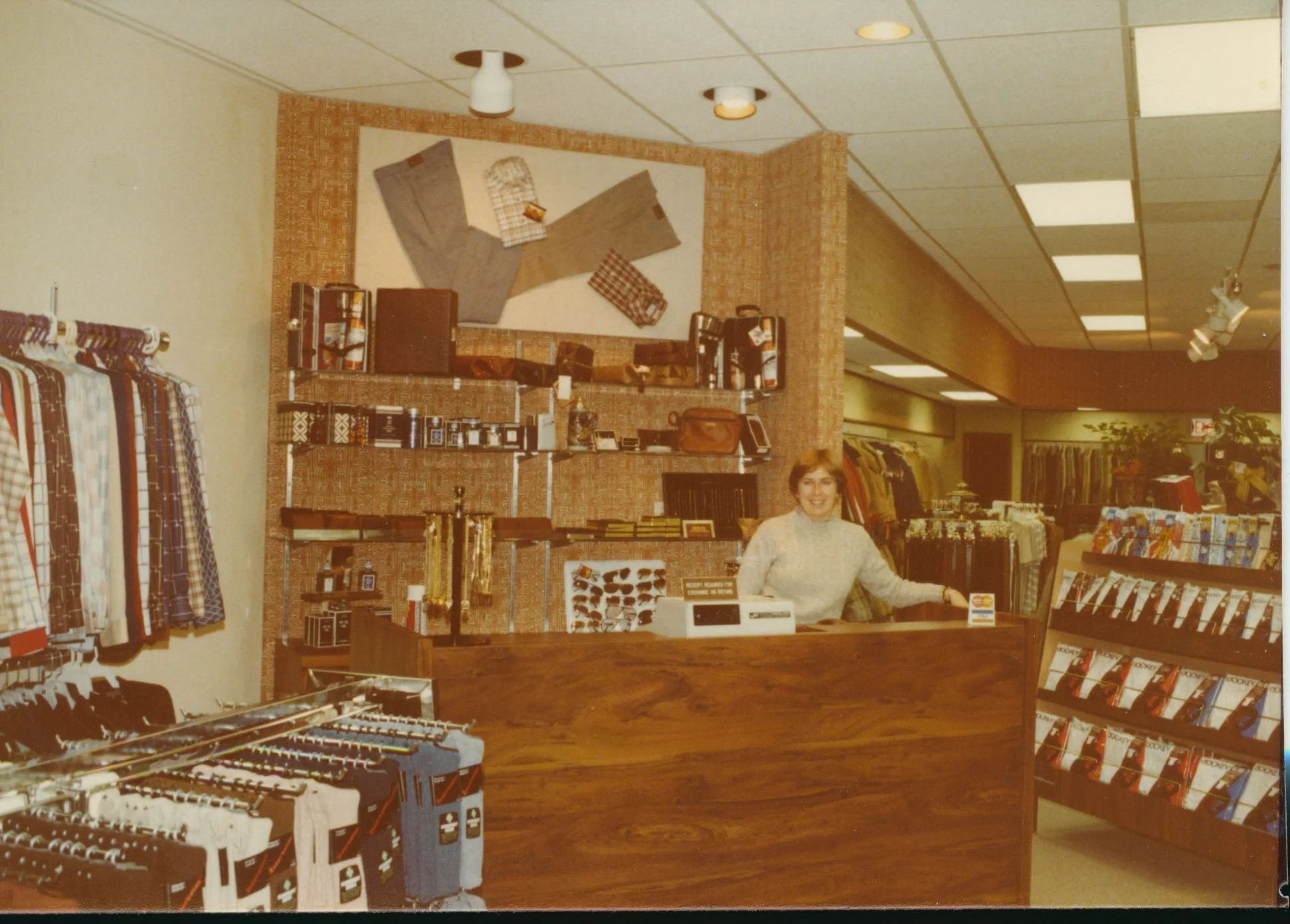
The success of young men’s apparel led to the opening of a second Patterson’s location at the Paul Bunyan Mall in 1979. Catering to a younger demographic, the mall store carried brands like Fox Racing, Echo Unlimited, DC Shoes, Quiksilver, Silver Tab Jeans, and young women’s apparel. That location operated for over 30 years before closing in 2011, allowing the business to refocus on the downtown store.
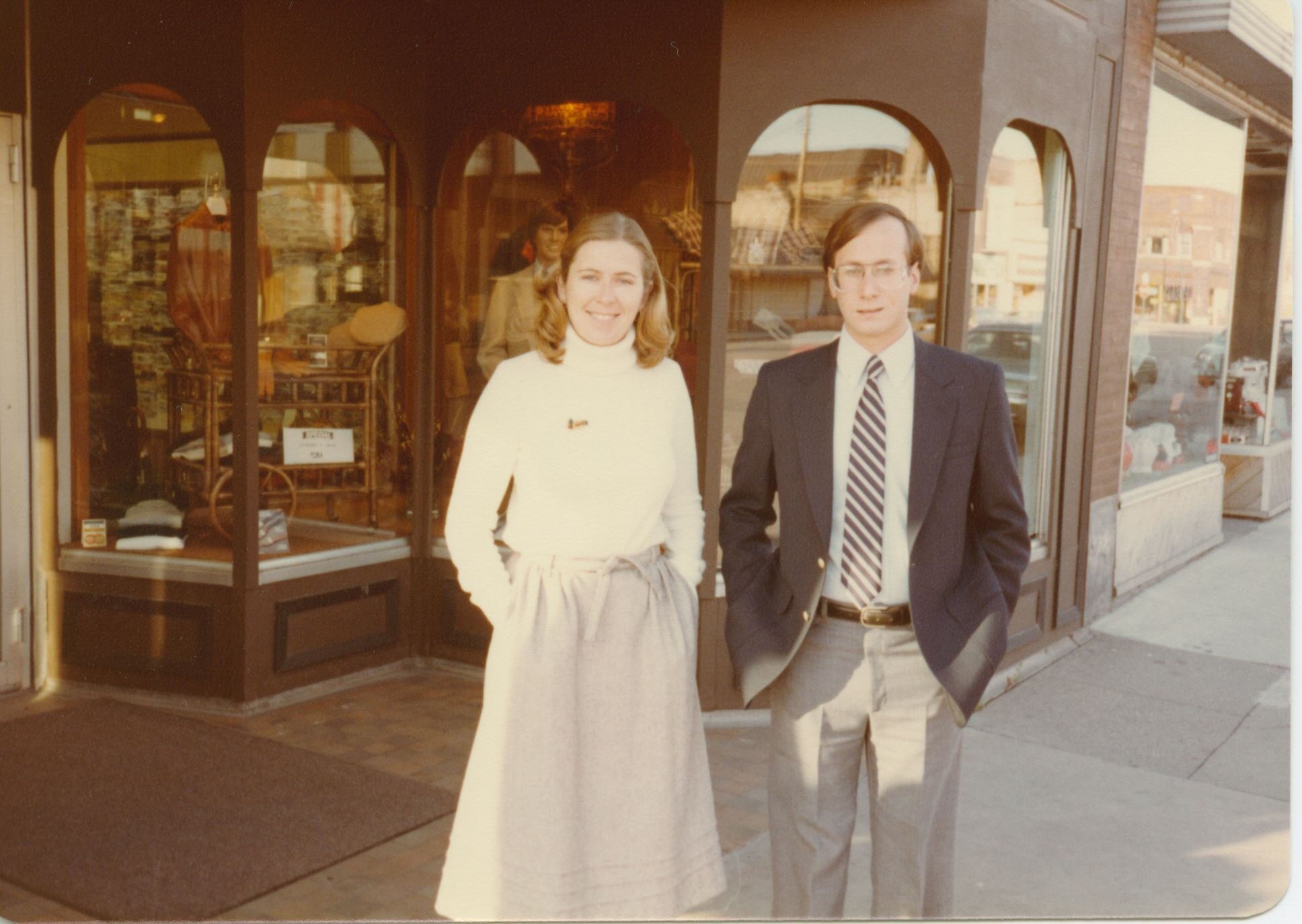
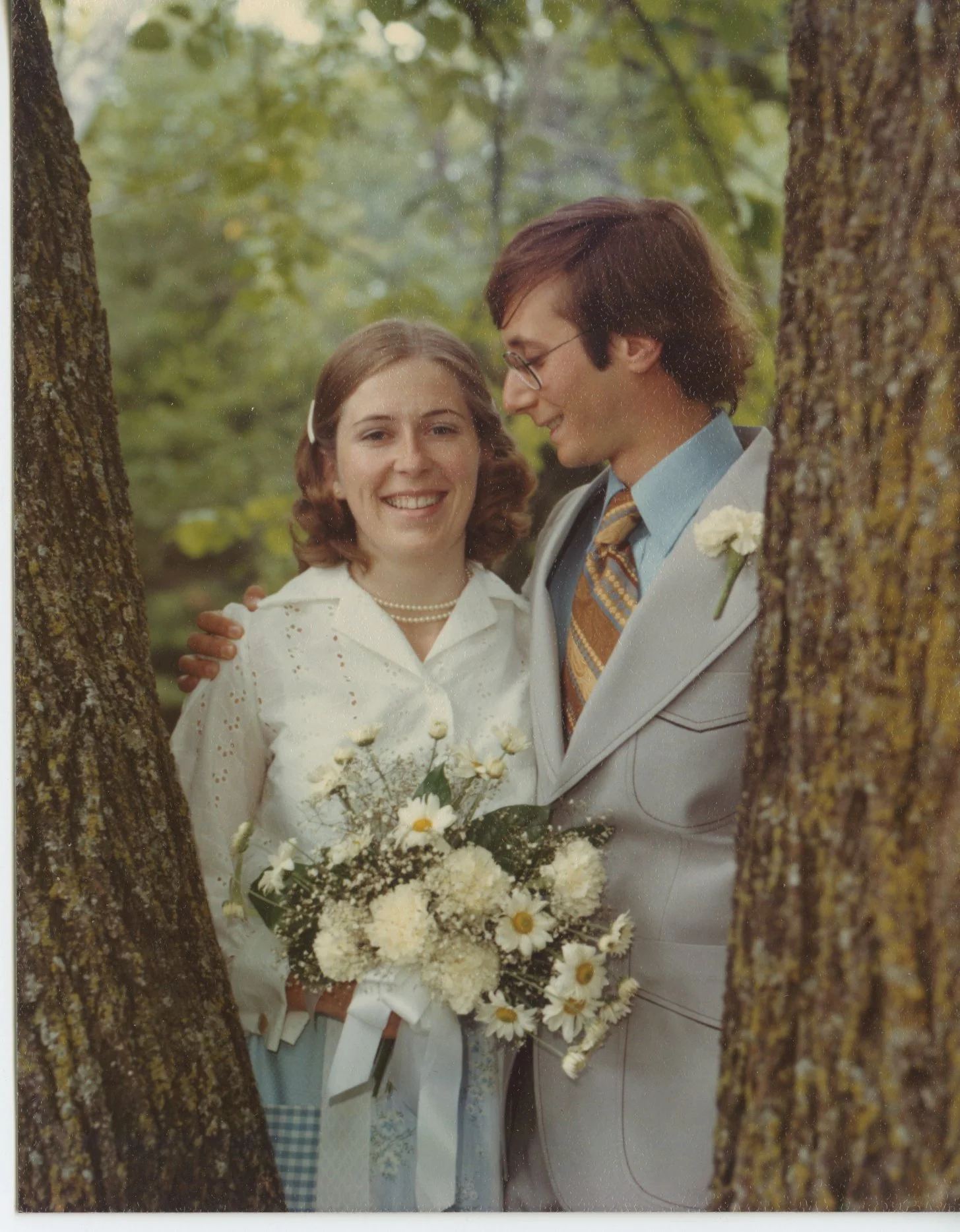
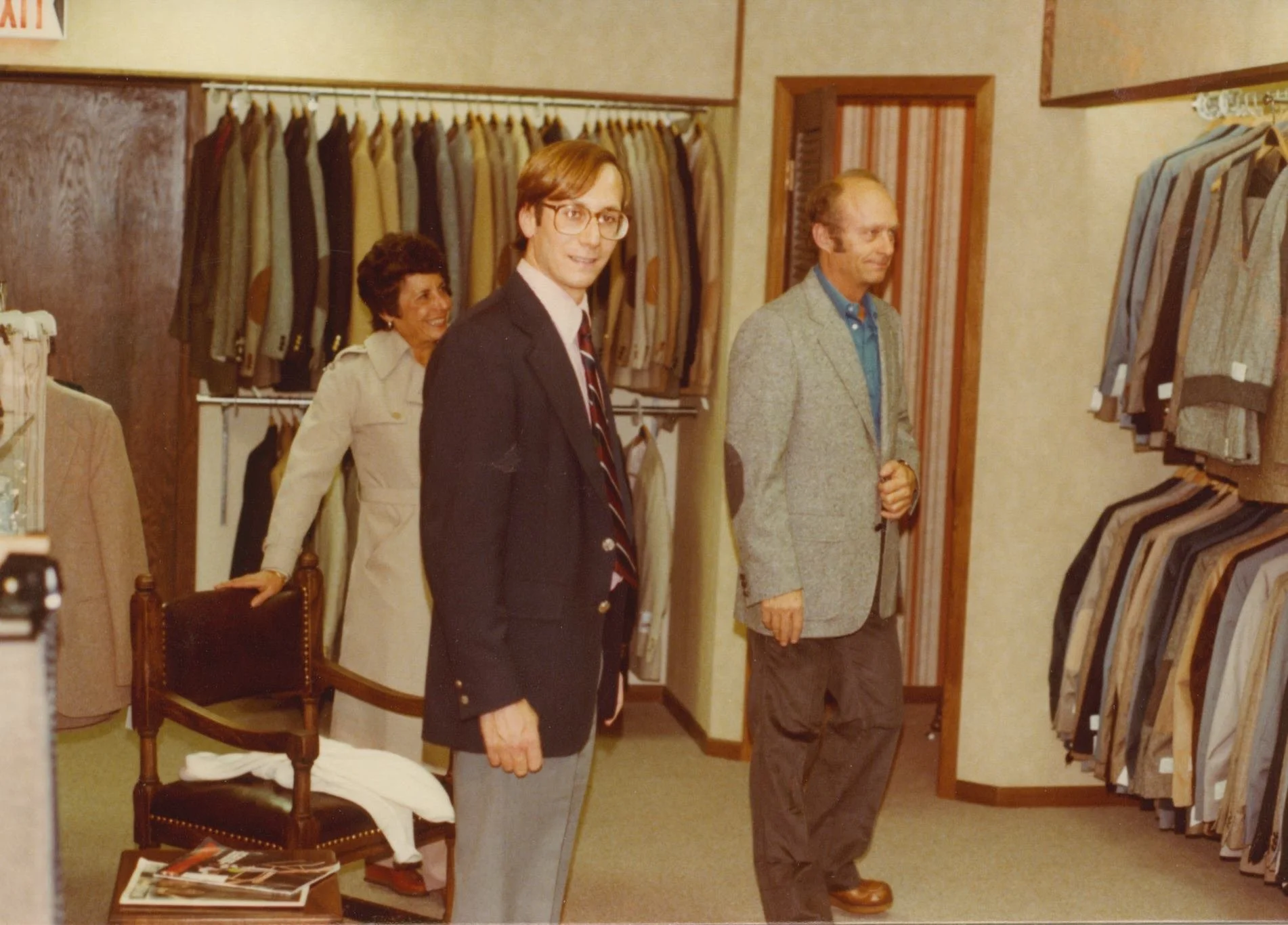
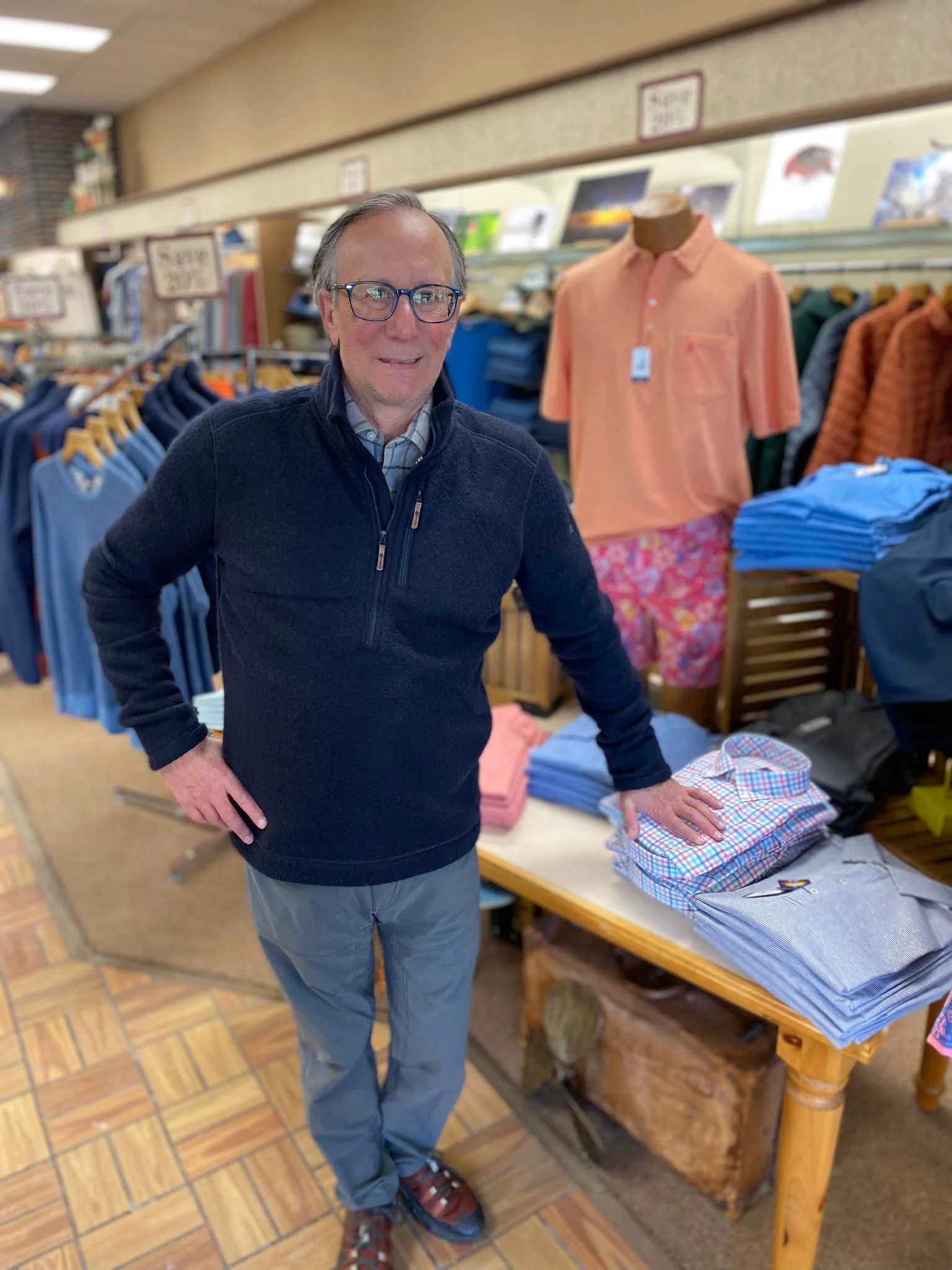
Ron and Ralyhe’s son Steve entered the business in 1974 alongside his wife Sally. During their tenure, men’s fashion shifted dramatically from formalwear to casual clothing. Where customers once invested heavily in suits and ties, the 2000s brought a growing demand for casual and outdoor-inspired apparel.
Steve expanded the brand mix to include Patagonia, KÜHL, Smartwool, and The North Face, and further broadened Patterson’s offerings by introducing women’s sportswear.
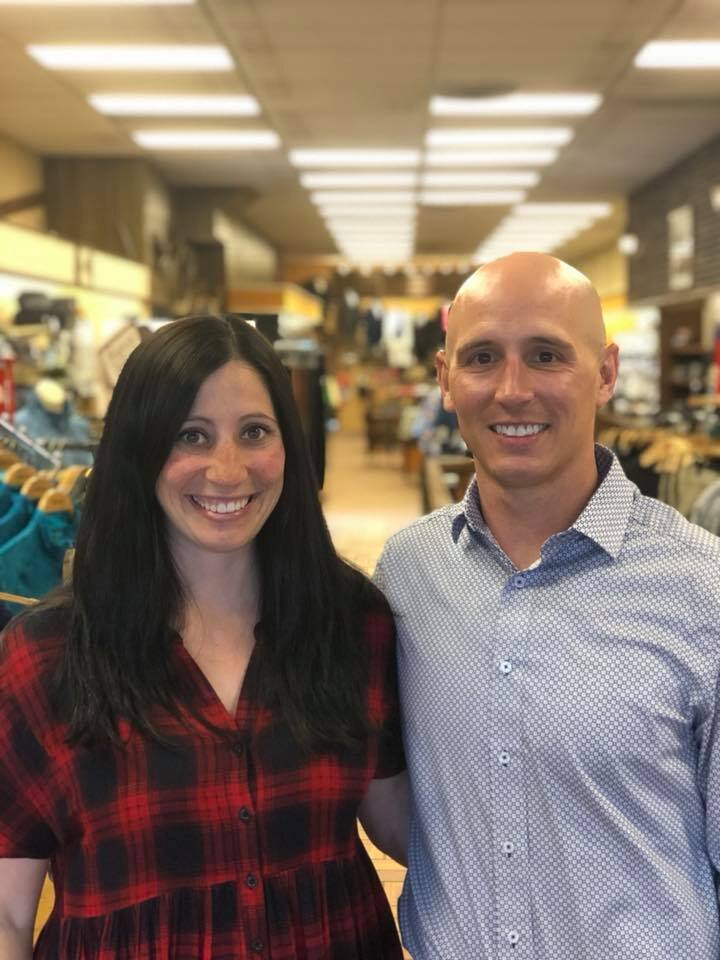
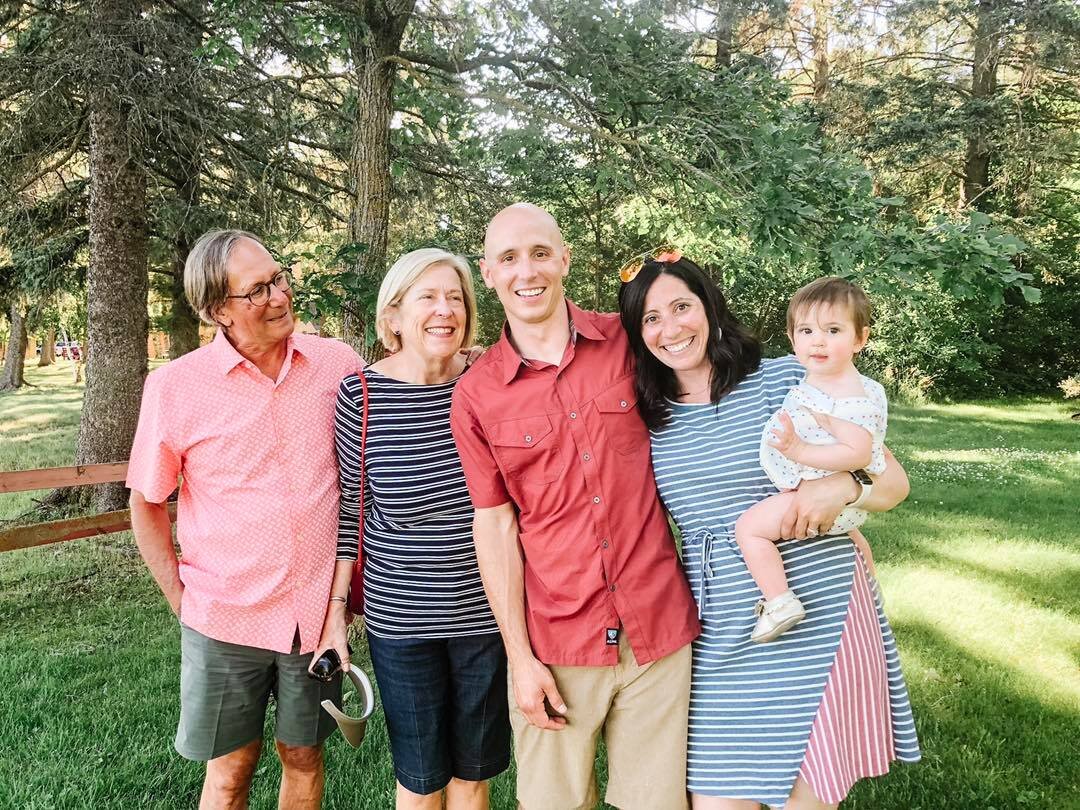
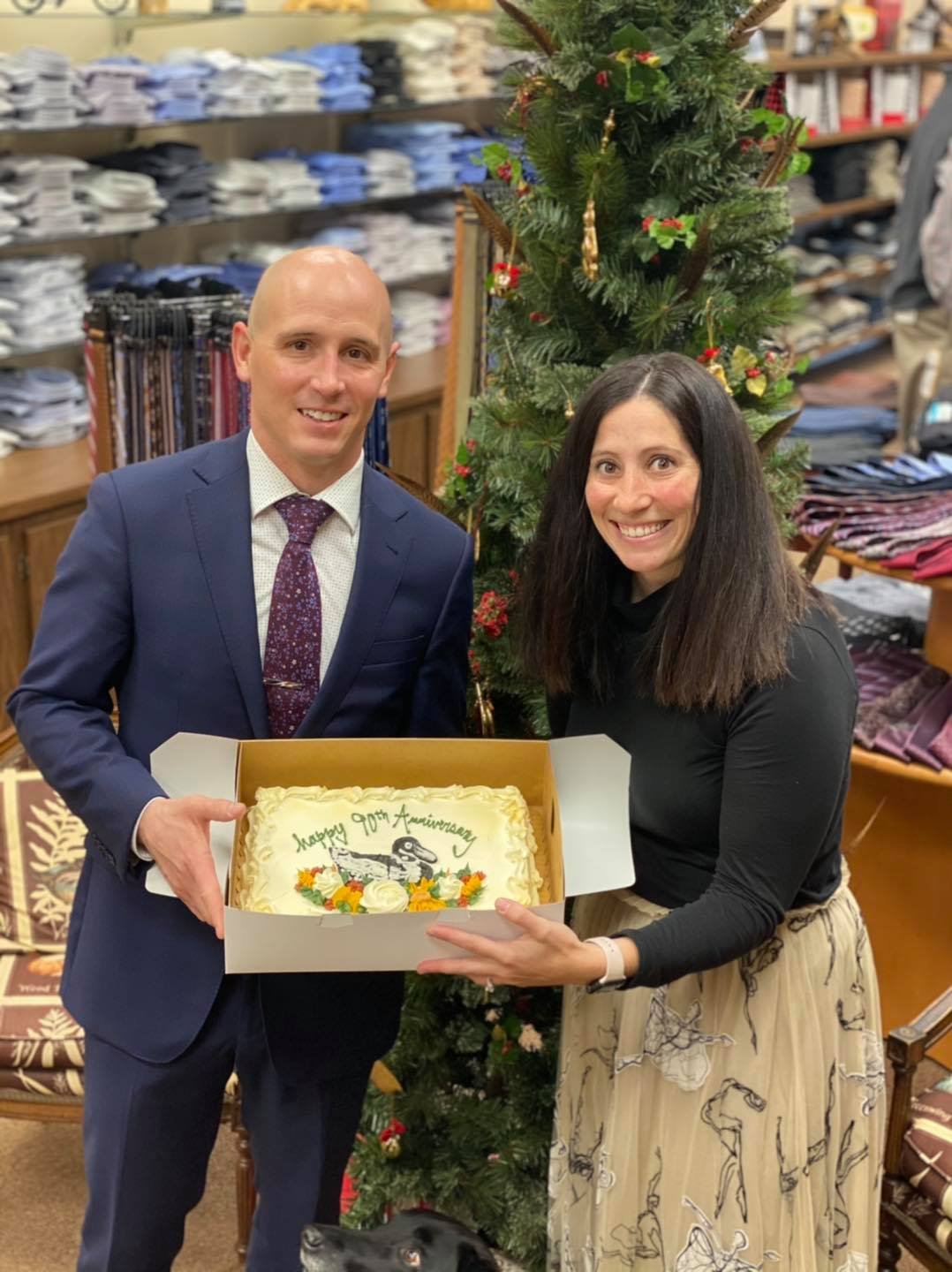
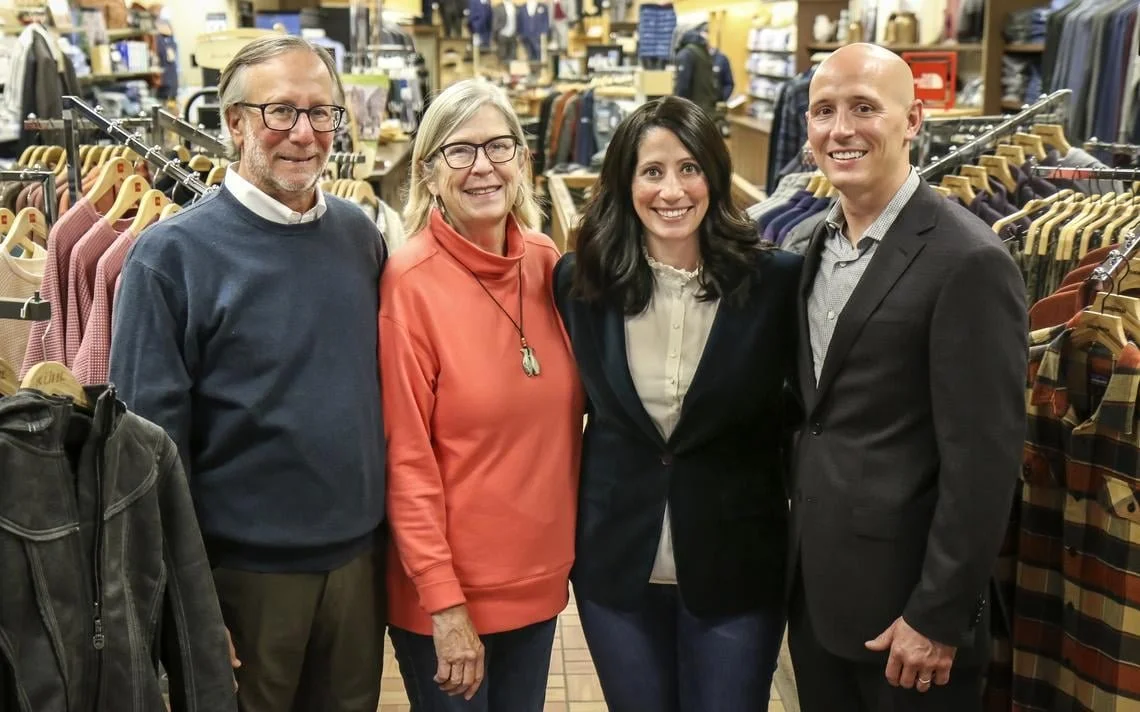
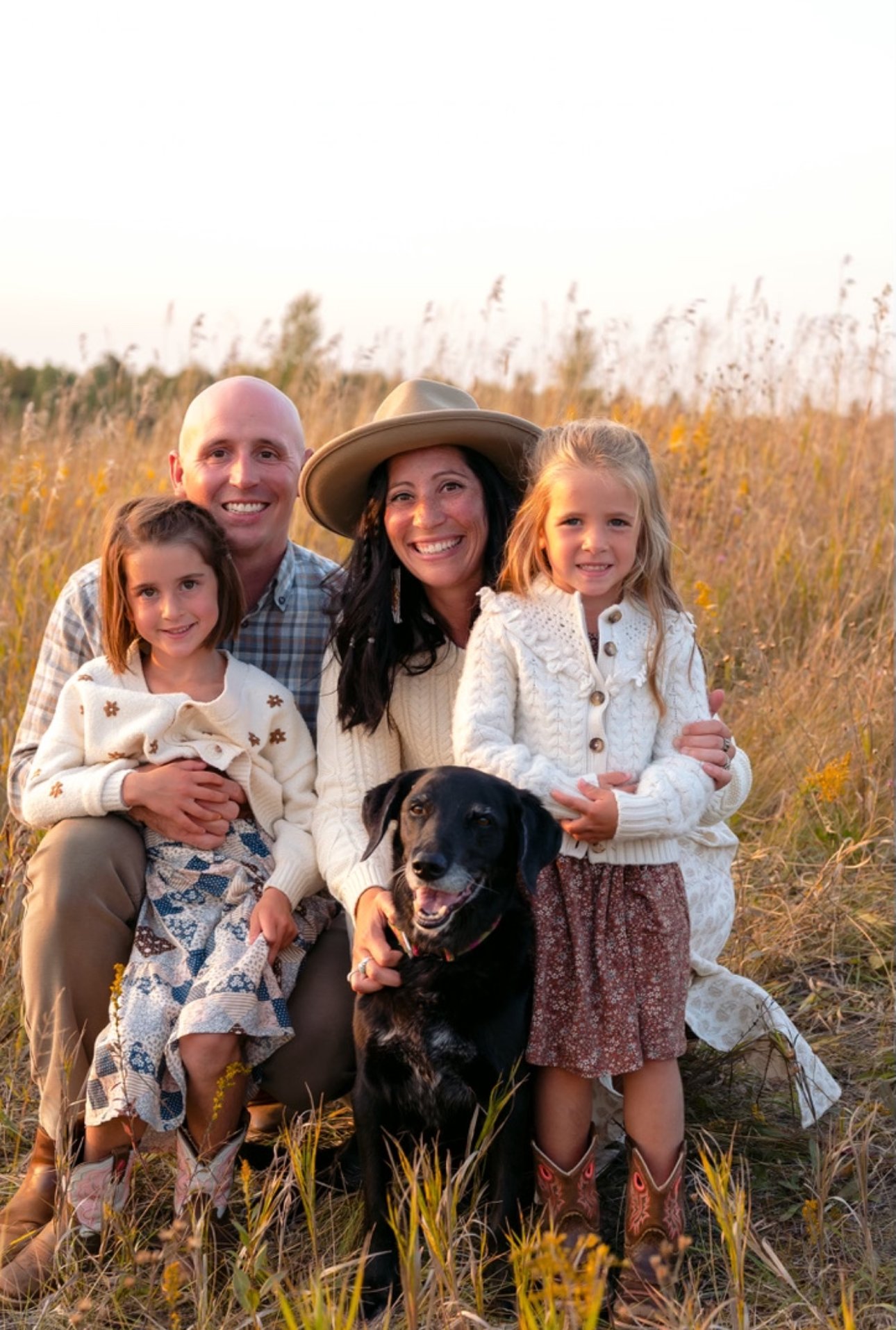
In April 2018, Steve and Sally’s daughter Molly and her husband Jeff Miller became fourth-generation owners of Patterson’s Clothing. As with generations before them, Steve and Sally eased into retirement knowing the family business remained in capable hands.
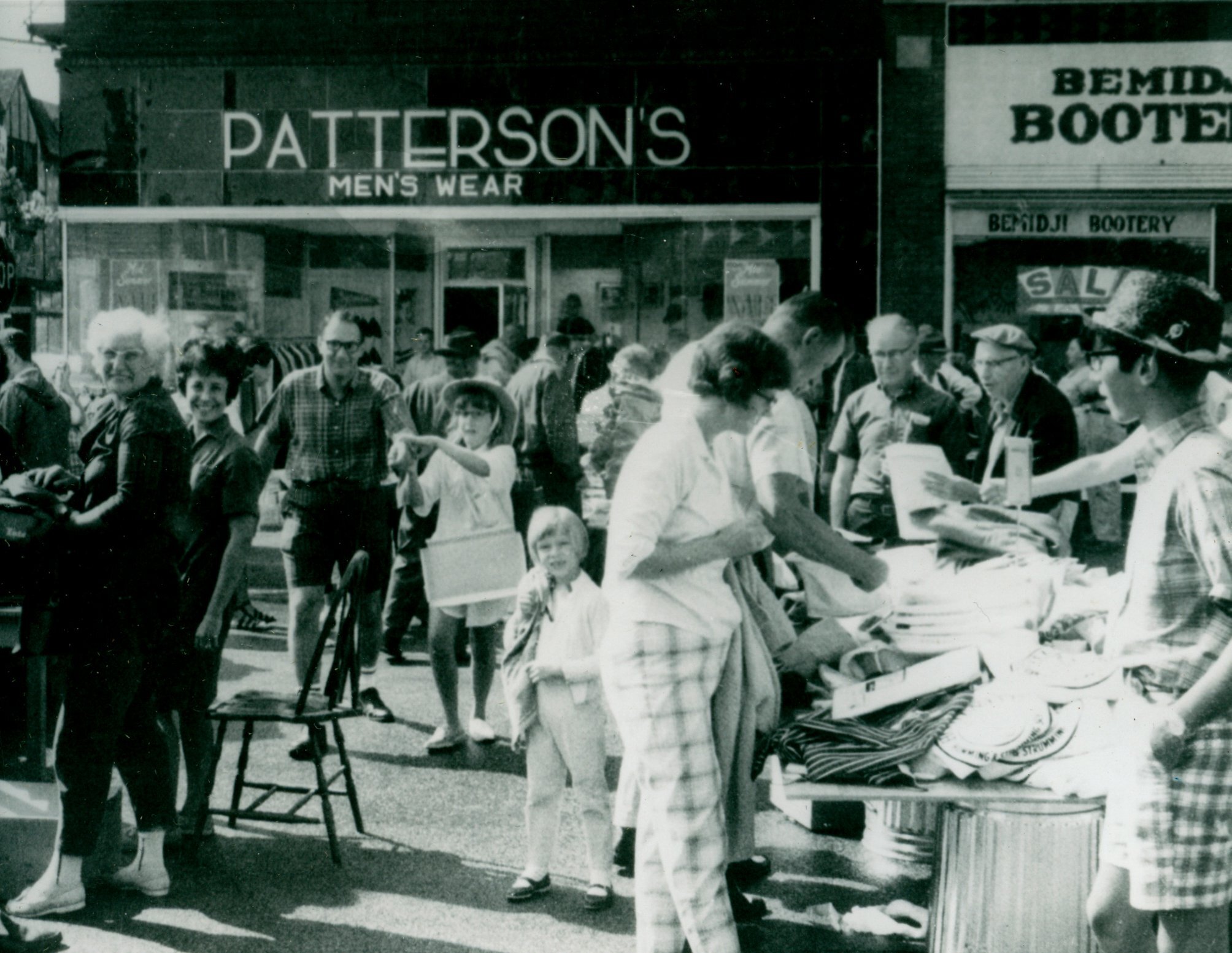
Through economic booms and downturns alike, Patterson’s has endured as a landmark in downtown Bemidji—serving generations of customers with quality, character, and care.